

Most people don’t think about their wisdom teeth until one starts to hurt. But why do we have wisdom teeth in the first place, and do they need to come out? These third molars are a holdover from a time when human jaws had more room, and diets demanded more chewing. Today, a wisdom tooth can erupt cleanly and cause no trouble at all, or it can become impacted, painful, or infected. This guide walks through what wisdom teeth are, the problems they can cause, and how to know when removal is the right call.
What Are Wisdom Teeth?
Wisdom teeth are the third and final set of molars, located behind the second molars at the very back of the mouth. Most people develop up to four, with one in each corner of the upper and lower jaws, although some people naturally have fewer or none at all. They are called wisdom teeth because they typically appear later than the other permanent teeth, often between the late teens and mid-twenties.
Like other molars, wisdom teeth are broad and suited to crushing and grinding food. If one erupts fully, sits upright, and can be cleaned properly, it may function much like any other tooth. The fact that it is a wisdom tooth alone does not mean it must be extracted.
The difficulty is that the back of the modern mouth often has little room for another molar. A tooth may remain partly below the gum, grow at an angle, or press against the tooth in front of it. That is why the answer to “why do we need wisdom teeth” is different from the answer to whether a particular person should keep them: their historical purpose and their present-day usefulness are not always the same.
The Evolutionary Purpose of Wisdom Teeth
The story of wisdom teeth makes more sense when viewed through changes in food, tools, and facial development. These molars were not an evolutionary mistake; they were once useful additions to a mouth shaped around a demanding diet. Today, however, the conditions that made them valuable are less common.
A Diet of the Past
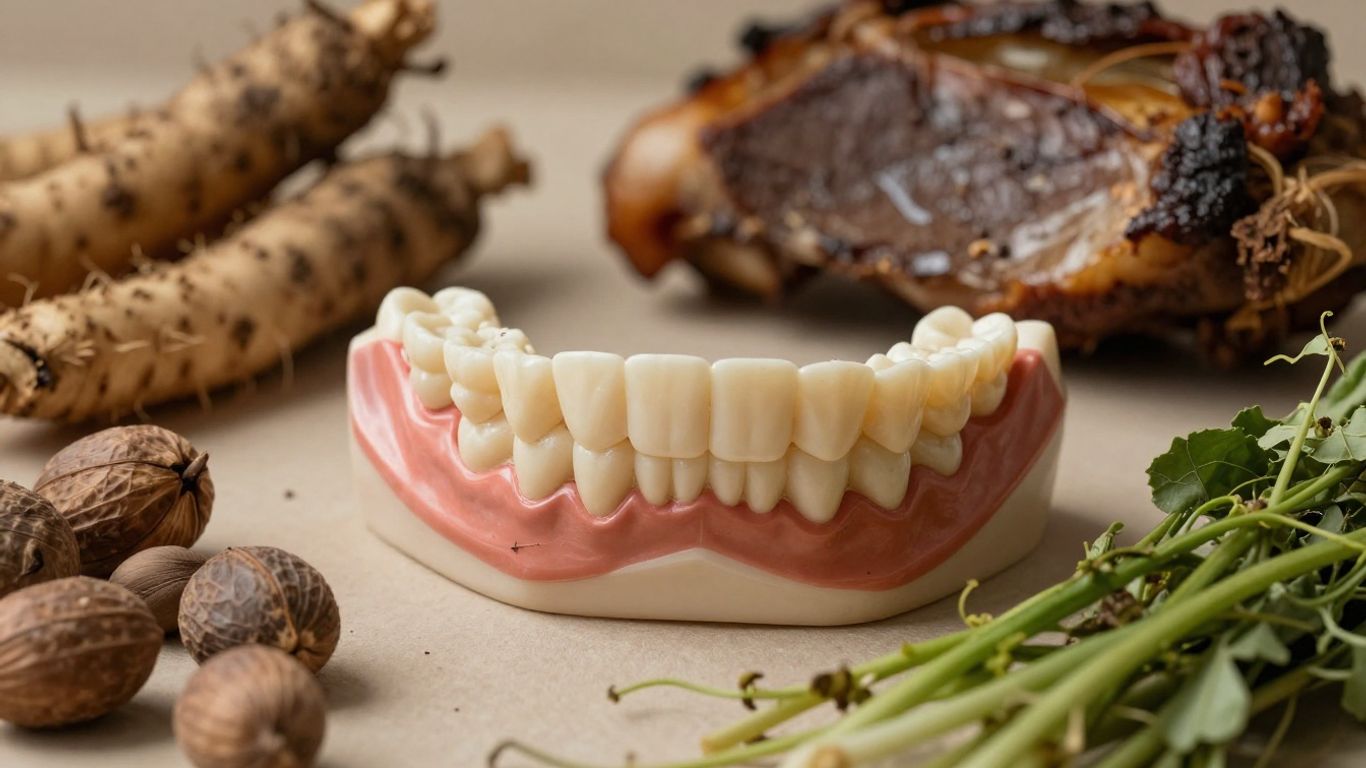
Early humans often ate foods that were coarse, fibrous, hard, or difficult to break down. Roots, nuts, tough plants, and uncooked or minimally processed meat required prolonged chewing. A third set of molars added another broad grinding surface and could also serve as a later-arriving backup as earlier teeth became worn.
This was especially practical in a life where teeth experienced substantial physical wear. A young adult might still have enough room for a new molar to emerge as the jaw matured, while the extra chewing surface helped manage foods that demanded more force. The evolutionary purpose of wisdom teeth is therefore closely tied to the relationship between ancestral diets and the structure of the jaw.
That does not mean wisdom teeth were essential for every individual, or that everyone in the past had four perfectly positioned third molars. Tooth development has always varied. It simply explains why a late set of molars could offer a useful advantage in an earlier environment.
Modern Jaw Size and Diet
Over many generations, human jaws generally became smaller, while food preparation made meals softer and easier to chew. Cooking, cutting, grinding, and other forms of processing reduced the need for an additional set of large grinding teeth. The teeth themselves did not disappear at the same pace as the space available for them.
As a result, a wisdom tooth may begin developing even when the jaw has no comfortable place to accommodate it. Some remain buried, some emerge only partly, and some angle toward the second molar. Genetics also influence whether wisdom teeth form and how they are positioned, so two people in the same family can have very different experiences.
The evolutionary explanation is useful, but it should not be treated as a diagnosis. A person with ample space and clean, healthy wisdom teeth may never have trouble. Another person may develop inflammation or decay while still young, which is why regular assessment matters more than assuming every wisdom tooth will follow the same pattern.
Common Problems Associated with Wisdom Teeth
Wisdom teeth can remain quiet for years, or they can cause trouble soon after they start moving into place. Their location makes them difficult to see and reach, especially when they are partly covered by gum tissue. Problems are more likely when there is not enough room, when the tooth is tilted, or when food and bacteria collect around it.
A dentist usually considers the tooth’s position, the condition of the surrounding gum, the health of the neighboring molar, and the findings on dental imaging. Symptoms such as wisdom tooth pain deserve attention, but the absence of pain does not always mean everything is healthy. Some damage develops before a person notices anything unusual.
Impaction: The Most Frequent Issue
An impacted wisdom tooth is unable to erupt into a normal, functional position. It may be trapped beneath the gum or bone, or it may emerge at an angle that leaves part of the crown exposed. A tooth can be angled forward, backward, sideways, or remain almost horizontal, depending on the available space and its path of development.
The position of an impacted tooth helps determine the type of concern it creates. A few common patterns are easier to compare than to describe in a long list:
| Wisdom tooth position | What may happen | Why assessment helps |
|---|---|---|
| Fully upright and erupted | It may function normally | Cleaning access and gum health can be checked |
| Partly erupted | Food and bacteria may collect beneath the gum | Early inflammation or decay can be identified |
| Tilted toward the second molar | Pressure or trapped debris may affect the neighboring tooth | Imaging shows the relationship between the teeth |
| Fully buried in bone or gum | It may remain quiet or develop a hidden problem | Periodic monitoring can track changes over time |
The table is a guide, not a prediction. An upright tooth can still decay if it is difficult to clean, while an impacted tooth may remain stable for a long period. A dental examination puts the position into context and helps distinguish a tooth that can be monitored from one that is creating a clear risk.
Pain and Swelling
Pain can occur when a wisdom tooth pushes through the gum, presses against a neighboring tooth, or irritates the tissue around it. Swelling at the very back of the mouth may make chewing uncomfortable and can sometimes cause tenderness when opening the jaw. Symptoms may come and go, which can make the problem seem resolved when the underlying position has not changed.
Sudden or worsening pain should not be ignored, especially when it is joined by facial swelling, fever, a bad taste, or difficulty opening the mouth. These signs can point to inflammation or infection rather than ordinary eruption discomfort. A dentist can determine whether the tooth needs treatment, closer observation, or removal.
For localized tooth pain, it is also worth remembering that a wisdom tooth is not the only possible cause. Decay, a crack, gum disease, or a problem with another molar can feel similar. The guide to tooth pain when biting offers broader context for understanding why a painful tooth should be assessed rather than self-diagnosed.
Infection and Gum Disease
A partly erupted wisdom tooth can create a flap of gum that traps food and bacteria. This may lead to inflammation around the tooth, often with soreness, swelling, unpleasant taste, or difficulty cleaning the area. Repeated episodes can affect daily comfort and make the surrounding gum increasingly difficult to maintain.
The neighboring second molar may also be exposed to plaque accumulation in a narrow space. Brushing alone may not reach that area effectively, and an inflamed gum margin can make cleaning painful. Regular professional examinations and careful oral hygiene can help identify whether the tissue is settling down or whether the tooth’s position continues to cause trouble.
Infection that spreads beyond the immediate gum area needs prompt dental attention. Fever, rapidly increasing swelling, trouble swallowing, or difficulty breathing are urgent warning signs. Those symptoms should not be managed with home remedies alone.
Damage to Adjacent Teeth
A wisdom tooth that leans into the second molar can create a hard-to-clean contact point. Food may become wedged there, and pressure or plaque can contribute to decay or loss of supporting bone around the neighboring tooth. In some cases, the second molar becomes the more serious concern because it is an important chewing tooth that may otherwise have remained healthy.
Damage is not inevitable. It depends on the angle of the wisdom tooth, the shape of the roots, the amount of available space, and the person’s ability to keep the area clean. Dental imaging can reveal changes that are not visible during a routine look in the mouth.
That is one reason a dentist may recommend monitoring even when there are no symptoms. Catching a developing problem early can allow for a more measured decision, rather than waiting until pain or infection forces an urgent appointment.
When to Consider Wisdom Tooth Removal
Wisdom tooth removal is generally considered when a tooth is causing disease, threatening a nearby tooth, or is unlikely to become functional and maintainable. Common reasons include repeated gum infections, significant decay, damage to the second molar, cyst-related changes, or an eruption path that makes future problems likely. The decision should be based on an examination and appropriate imaging, not on age alone.
Some wisdom teeth can be safely kept. If they are fully erupted, aligned with the opposing tooth, free of decay, and easy to clean, monitoring may be more sensible than extraction. A dentist may recommend periodic review because the tooth’s condition and the surrounding bone can change over time.
For people preparing for a procedure, wisdom tooth removal planning can help explain practical questions such as pre-procedure instructions, transportation, time away from work or school, anesthesia discussions, and recovery planning.
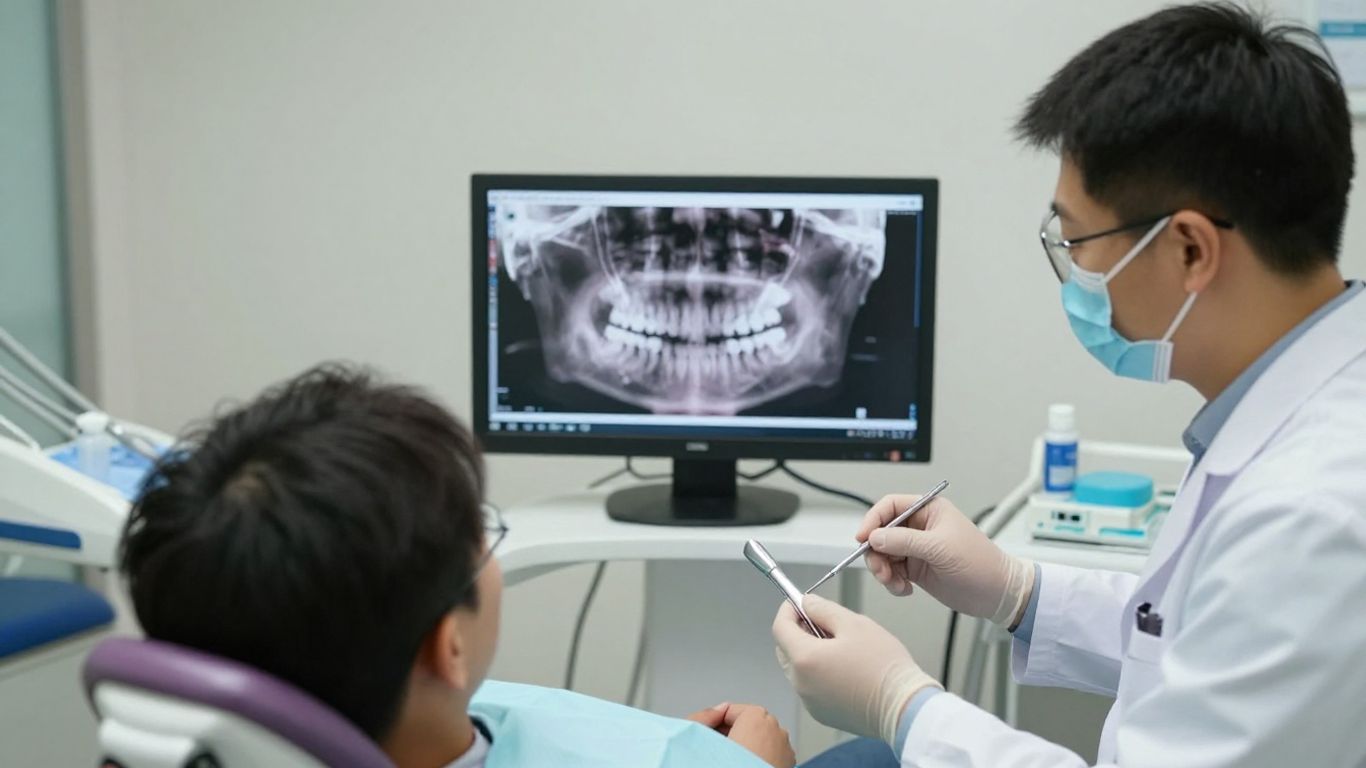
The timing of removal depends on the tooth’s position, symptoms, overall health, and the dentist’s assessment of potential risks and benefits. Constitution Dental offers tooth removal services when a tooth cannot be saved or when removal is the appropriate treatment, with attention to the surrounding teeth and future oral health. A recommendation should always explain why removal is being considered and what alternatives, including observation, may involve.
The Wisdom Tooth Removal Process
The process begins with a clinical examination and dental images. The dentist reviews the tooth’s position, its roots, the nearby nerves and sinuses, and the condition of the surrounding teeth and gums. You should also share medications, allergies, medical conditions, and any previous difficulties with dental treatment before a procedure is scheduled.
On the day of removal, the area is numbed and the tooth is removed using the approach suited to its position. A fully erupted tooth may be removed more simply, while an impacted tooth may require access through the gum and, in some cases, careful division of the tooth. The exact technique varies, but the goal is to remove the tooth while protecting nearby structures.
Afterward, a blood clot forms in the socket and supports the early healing process. Instructions commonly cover gauze pressure, food choices, oral hygiene, activity, and pain control. Constitution Dental notes the importance of preparation and recovery planning, including arranging transportation and following instructions intended to reduce complications such as dry socket.
Most people experience tenderness and swelling for several days, with gradual improvement. Contact the dental office if pain becomes significantly worse instead of better, bleeding does not settle, swelling continues to increase, or signs of infection appear. Following the specific instructions provided for your procedure is more useful than relying on a generic recovery timetable.
Living Without Your Wisdom Teeth
People generally function normally without wisdom teeth. The first and second molars usually provide the main chewing surfaces, and removing a problematic third molar does not typically create a gap that needs to be replaced. Speech and everyday eating can continue as before once the extraction site has healed.
Healing is a process rather than a single moment. The gum closes gradually, while the deeper tissues and bone take longer to settle. During the early period, gentle cleaning around the area, softer foods, and avoidance of actions that disturb the clot can make recovery more comfortable.
Long-term oral health still depends on caring for the teeth that remain. Brushing twice daily, cleaning between teeth, attending regular dental visits, and reporting new pain can help prevent unrelated problems. If a wisdom tooth is retained, the same habits matter even more because its position may make plaque control challenging.
A missing wisdom tooth does not need to be replaced with an implant, bridge, or denture simply because it was removed. Replacement decisions are usually relevant when a tooth that contributes meaningfully to chewing or appearance is lost. For third molars, removal often resolves a space problem without changing the practical function of the rest of the mouth.
Have questions about your own wisdom teeth? Contact Constitution Dental in Ottawa or call (613) 232-0775 to book a consultation and find out whether monitoring or removal is right for you.
Conclusion
Wisdom teeth are remnants of a time when extra molars and larger jaws were better suited to rough, demanding diets. They can still be healthy and useful when they erupt properly, but limited space can make them vulnerable to impaction, infection, decay, and damage to nearby teeth. If symptoms develop or imaging shows a concern, a dental consultation can clarify whether monitoring or removal offers the safer path.
Frequently Asked Questions
Why do we have wisdom teeth?
Wisdom teeth are the third molars, and they likely helped earlier humans chew tough, coarse foods. Modern diets and smaller jaws mean they are often less useful and more likely to lack enough room for normal eruption.
At what age do wisdom teeth usually appear?
They commonly begin to emerge during the late teens or early twenties, although timing varies. Some remain below the gum, and some people never develop them.
Does everyone have four wisdom teeth?
No. A person may have anywhere from none to four wisdom teeth. The number and position are influenced partly by inherited traits and can be confirmed with dental imaging.
Can wisdom teeth be kept?
Yes, if they are healthy, properly aligned, functional, and easy to clean. A dentist may recommend monitoring them rather than removing them when they are not creating a current or foreseeable problem.
What does impacted wisdom tooth mean?
It means the tooth cannot erupt fully into a normal position. It may be trapped under gum or bone, or it may grow at an angle toward another tooth.
How do I know if wisdom tooth pain is serious?
Pain with swelling, fever, a bad taste, pus, difficulty opening the mouth, or trouble swallowing deserves prompt dental attention. Severe swelling or breathing difficulty requires urgent care.
How long does wisdom tooth removal take to heal?
Tenderness and swelling often improve over several days, while the gum and deeper tissues continue healing for longer. Recovery varies with the tooth’s position and the complexity of the removal, so follow the instructions given by your dental professional.