
Key Takeaways
Enamel vs dentin comes down to two neighboring layers with different structures and roles.Knowing how they work can help you recognize changes and protect your teeth.
- Enamel is the hard outer covering of the visible part of a tooth.
- Dentin lies beneath enamel and surrounds the tooth’s pulp.
- Exposed dentin can be sensitive because it contains tiny channels connected to the pulp.
- Acid, decay, wear, and injury can damage enamel or expose dentin.
- Good daily care and timely dental visits help protect both layers.
What Are Enamel and Dentin?
Your teeth are built in layers, and enamel and dentin are two of the most important. They differ in location, composition, and how they respond to wear or injury. Understanding the difference between enamel and dentin makes it easier to see why a small change on the surface of a tooth can sometimes lead to sensitivity.
What Is Tooth Enamel?
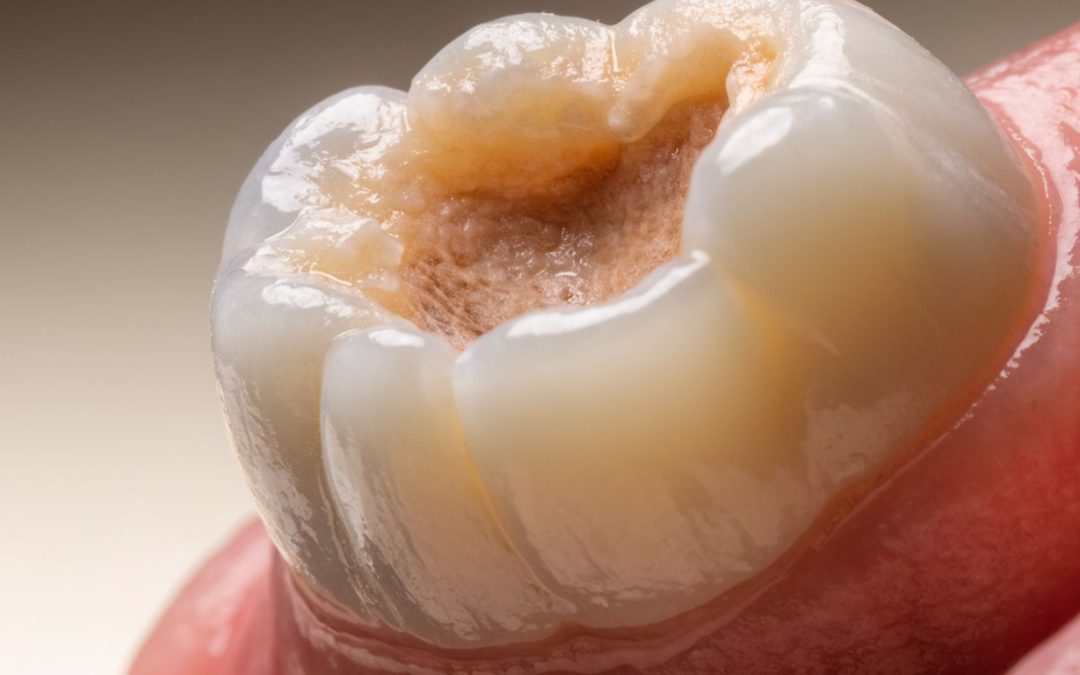
Enamel is the hard outer layer covering the crown, or the part of a tooth above the gumline. It is highly mineralized and helps protect the softer tissues underneath from chewing forces, temperature changes, and everyday exposure. Enamel has no living cells, so lost enamel does not grow back; early mineral loss may sometimes be addressed before it becomes a cavity,but a missing piece of enamel cannot simply regenerate. Instead, a dentist can restore the area, often with tooth-colored fillings.
What Is Dentin?
Dentin lies beneath enamel and makes up much of the tooth’s inner structure. It is less hard than enamel and contains microscopic tubules that extend toward the pulp, where nerves and blood vessels are found. When dentin becomes exposed, changes in temperature, touch, or certain foods can trigger discomfort. Exposed dentin is one of the most common reasons people notice sudden tooth sensitivity.
Enamel vs Dentin: Key Differences.
The main difference between these tissues is not just that one sits above the other. Their composition helps determine how each layer responds to pressure, acids, and exposure. Seeing the contrast side by side can clarify how enamel and dentin affect dental health.
Location, Structure, and Composition
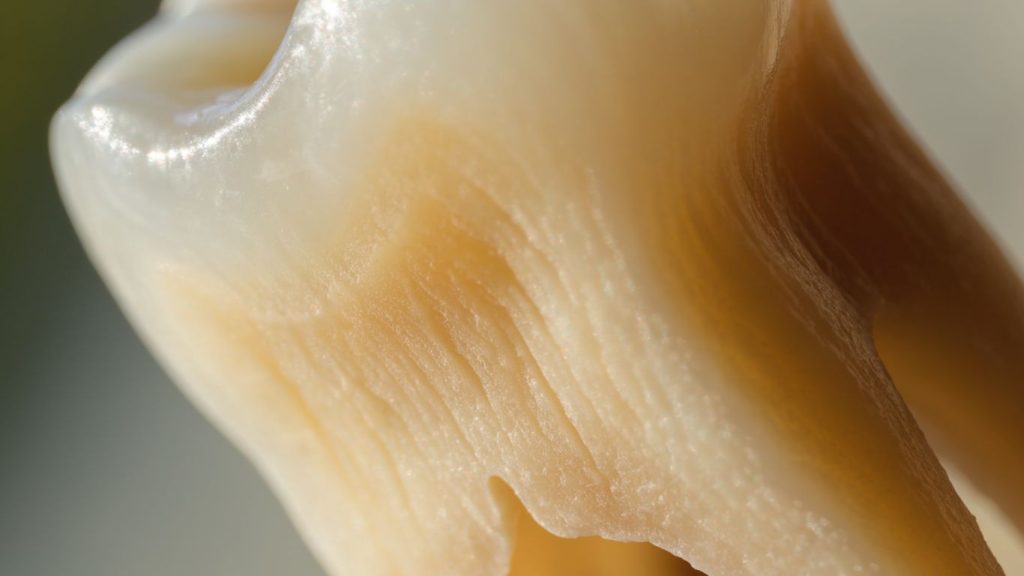
Enamel covers the crown, while dentin sits beneath it and continues through much of the tooth toward the root. Enamel is densely mineralized; dentin contains more organic material and water, as well as the tiny tubules that make it structurally different. The following comparison shows why the layers do different jobs.
| Feature | Enamel | Dentin |
|---|---|---|
| Location | Outer covering of the crown | Beneath enamel; surrounds the pulp |
| Structure | Highly mineralized and hard | Less hard, with microscopic tubules |
| Main role | Shields the tooth’s crown | Supports the outer layer and surrounds the pulp |
| Sensitivity | Does not contain nerves | Can transmit stimuli toward the pulp |
In short, enamel acts as a durable outer shield, while dentin forms a substantial supportive layer underneath. Because dentin is softer, it also wears down faster than enamel once acids or friction reach it. These distinctions explain why damage that reaches dentin may feel different from surface wear alone.
Color, Sensitivity, and Pain
Enamel is usually translucent, so the color of the dentin beneath it contributes to the visible shade of a tooth. Dentin is naturally more yellow, so thinning enamel can make teeth look more yellow over time. Because dentin’s tubules connect toward the pulp, exposed dentin may also react to cold drinks, sweets, brushing, or even a breath of cold air.
Sensitivity does not always mean dentin is exposed, and a toothache can have other causes, including decay or a crack. The pattern and intensity matter: a brief twinge differs from pain that lingers or occurs without an obvious trigger. A dental exam can help identify whether the issue involves enamel, dentin, or another part of the tooth.
How Enamel and Dentin Work Together
Enamel and dentin are not separate pieces doing unrelated jobs. Together, they help a tooth withstand chewing while shielding its more delicate center. Each layer contributes a different quality: enamel resists everyday surface challenges, and dentin provides support beneath it.
When you bite down, the outer enamel takes the initial contact, while the underlying dentin helps support the structure. Their combined arrangement helps distribute forces through the tooth rather than leaving the pulp directly exposed to the outside environment. The balance matters; a strong surface is useful, but it also relies on the layer below for support.
The partnership becomes especially clear when enamel wears away or decay progresses inward. Dentin can then be more vulnerable to external stimuli, and damage that advances toward the pulp may require more involved care, such as root canal treatment. If you want to understand how early changes can develop, read about the progression of tooth decay.
What Happens When Enamel or Dentin Is Damaged?
Damage can begin at the surface and deepen over time, although not every change follows the same path. Enamel may lose minerals, become worn, chip, or develop decay; if the protective layer is breached, dentin can be exposed. The signs vary, so a change in appearance or sensation is worth noticing rather than trying to diagnose on your own.
Common Causes of Enamel Wear and Dentin Exposure
Acid from foods, drinks, or stomach contents can soften tooth surfaces, while frequent friction may contribute to wear. Cavities can also progress from enamel into dentin, and a crack, chip, or receding gumline may leave dentin less protected. A dentist can help distinguish between these causes because each may need a different approach, from a simple filling to composite bonding for a chipped edge.
Repeated exposure matters more than one isolated moment for many forms of wear. Common contributors include:
- Frequent sipping of acidic drinks or eating acidic foods.
- Brushing with excessive force or using an abrasive technique.
- Teeth grinding or clenching that adds repeated pressure.
- Tooth decay, chips, cracks, or gum recession that expose deeper areas.
These factors can overlap, and a sensitivity symptom alone cannot reveal exactly what has happened. Avoiding repeated triggers and asking a dentist about a new or persistent change can help prevent a manageable issue from becoming more extensive.
Signs You May Have Enamel or Dentin Damage
You might notice sensitivity to cold, heat, sweets, or brushing, or see a chipped edge, a discolored spot, or a visible indentation. A cavity may not be easy to see, especially between teeth or in a back tooth’s grooves. A change in enamel health is not always painful at first, so regular exams can help catch problems before symptoms become obvious.
Pain that lingers after a trigger, worsens, or appears spontaneously deserves particular attention. Swelling, a bad taste, or pain when biting may point to a problem that needs prompt assessment. Because symptoms overlap, a dentist uses an examination and, when needed, imaging to determine which tissue is involved.
How to Protect Your Enamel and Dentin
Protecting these layers is mostly about consistent habits rather than a single special treatment. Daily cleaning helps remove plaque, while fluoride can support enamel against mineral loss. Your risk factors, diet, and dental history also influence what care makes sense for you.
A practical routine can include a few steady steps:
- Brush twice daily with a soft-bristled toothbrush and fluoride toothpaste.
- Clean between your teeth each day.
- Limit frequent acidic or sugary snacks and drinks, and drink water regularly.
- Ask your dentist about grinding, dry mouth, reflux, or sensitivity that persists.
A gentler routine can reduce unnecessary wear, but it does not repair a cavity or replace lost tooth structure. If an acidic drink is part of your day, avoiding prolonged sipping may reduce repeated exposure. Your dentist can tailor advice to your mouth and identify whether a change in symptoms needs treatment.
When to See a Dentist
You do not need to wait for severe pain before arranging an exam. A new sensitive area, a visible chip, or a spot that looks different can all be reasons to check in. Early assessment helps clarify whether the cause is enamel wear, exposed dentin, decay, or something else.
Seek prompt dental advice if pain persists, interrupts sleep, hurts when you bite, or comes with swelling. Facial swelling, fever, or difficulty swallowing requires urgent attention. If a tooth is injured, try to contact a dental professional quickly, even if the damage seems small.
Routine checkups matter because some enamel and dentin changes are difficult to spot at home. Your dentist can examine the tooth, discuss your symptoms, and recommend care based on the findings rather than guesswork. Regular visits are especially useful when sensitivity is recurring or you have a history of cavities, grinding, or gum recession.
Conclusion
When it comes to enamel vs dentin, enamel forms the tooth’s hard outer shield, while dentin supports it from beneath and can cause sensitivity when exposed. With consistent daily care and attention to changes in how your teeth look or feel, you can protect both layers and get concerns assessed before they progress.
Noticing new sensitivity, a chip, or a spot that looks different? Our team at Constitution Dental in Ottawa can examine your teeth and explain what care, if any, you need. Book an appointment online or call us at (613) 232-0775.
Frequently Asked Questions
Is enamel harder than dentin?
Yes. Enamel is more highly mineralized and harder than dentin, while dentin is a less hard supportive layer beneath it.
Can enamel grow back after it is lost?
No. Lost enamel does not regenerate. Early mineral loss may sometimes be managed, but a chip or area of missing enamel needs dental assessment.
Why does exposed dentin feel sensitive?
Dentin contains microscopic tubules that extend toward the pulp. Stimuli such as cold, touch, or sweets can travel through these channels and cause discomfort.
Does yellowing always mean enamel is damaged?
No. A tooth’s shade can reflect the color of the dentin beneath translucent enamel, and stains can also affect appearance. A dentist can assess a noticeable change.
Can a cavity reach dentin?
Yes. Decay can progress through enamel and into dentin. A dentist can identify how far it has advanced and recommend appropriate care.
What foods and drinks can contribute to enamel wear?
Frequent exposure to acidic foods and drinks can contribute to erosion. The effect depends on your habits and overall oral health, so ask a dentist for advice tailored to you.
When should I seek care for tooth sensitivity?
Arrange an exam if sensitivity is persistent, worsening, occurs without a clear trigger, or comes with pain when biting, swelling, or other new symptoms.