
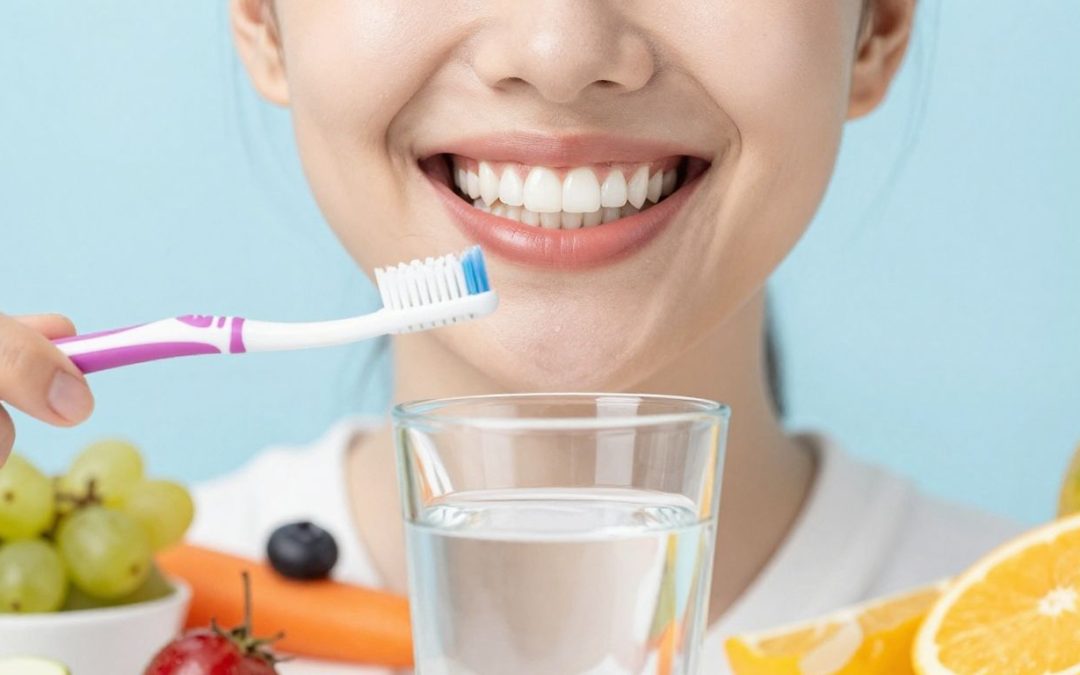
Wondering how to prevent teeth from yellowing and keep your smile looking its best? You’re not alone. Yellowing is one of the most common concerns we hear at our Ottawa dental clinic — and the good news is, most of it is preventable. Whether it’s your morning coffee, your diet, or just the natural aging process, understanding what causes tooth discolouration is the first step toward a brighter, more confident smile. As part of a proactive oral hygiene routine, protecting your enamel from staining starts with knowing what you’re up against.
Understanding Why Teeth Yellow
Ever wonder why your pearly whites aren’t so pearly anymore? It’s a common question, and the reasons can be a bit more complex than you might think. Our teeth can yellow from things we eat and drink, but also from just getting older or even certain medications. It’s not always about neglecting your brushing, though that’s a big part of it.
Intrinsic vs. Extrinsic Stains
When we talk about yellow teeth, we’re usually dealing with two main types of discoloration: extrinsic and intrinsic stains. Extrinsic stains are the ones that happen on the outside of your teeth, on the enamel. These are typically caused by things you consume.
- Coffee and Tea: These popular drinks are loaded with tannins, compounds that love to stick to your enamel and leave a yellowish hue.
- Red Wine: Another big offender, red wine also contains tannins and is quite acidic, which can wear away enamel over time, making stains more visible.
- Dark Berries and Sauces: Think blueberries, blackberries, soy sauce, and tomato sauce. Their dark pigments can transfer to your teeth.
Intrinsic stains, on the other hand, happen inside the tooth. These are often harder to deal with and can be caused by things like:
- Aging: As we get older, the hard outer layer of our teeth, the enamel, naturally thins out. This reveals the yellower layer underneath, called dentin.
- Trauma: An injury to a tooth can cause the inner part to darken.
- Medications: Certain antibiotics, especially tetracycline if taken during tooth development, can cause deep discoloration. Some medical treatments or conditions can also affect tooth color.
- Genetics: Believe it or not, some people are just born with thinner enamel or yellower dentin.
If you’re noticing sensitivity along with discolouration, it may be worth reading our guide on tooth pain when biting down — worn enamel can sometimes be the common link.
Foods and Drinks That Cause Yellowing
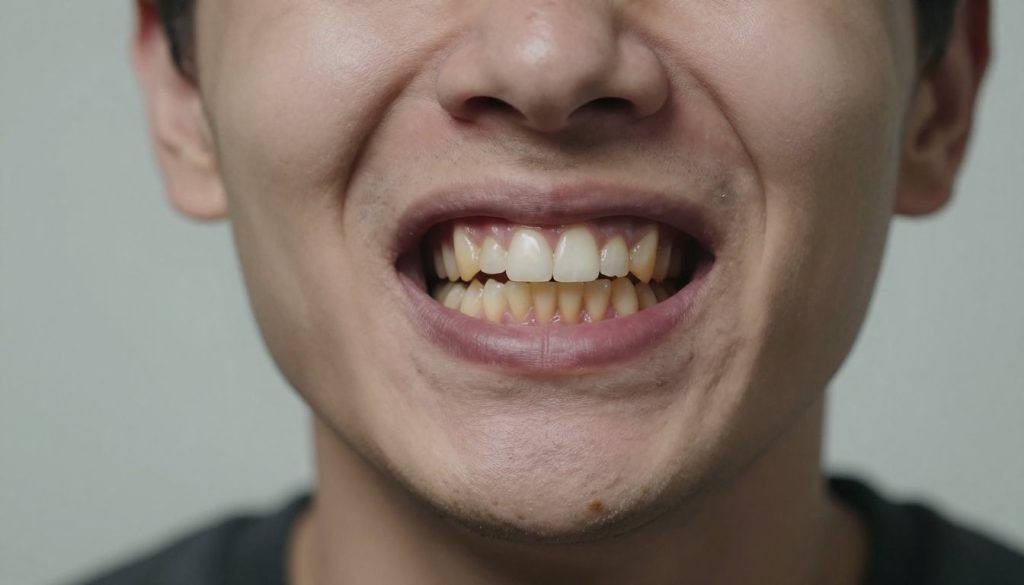
So, you’re wondering what’s making your pearly whites look a little less pearly? It turns out, a lot of the things we enjoy every day can contribute to teeth yellowing. It’s not just about avoiding the obvious; some sneaky culprits are out there too.
The Culprits: Coffee, Tea, and Red Wine
Coffee and tea are morning staples for many of us. The problem is, these drinks are packed with tannins — tiny magnets for colored particles that stick to your tooth enamel. Over time, this buildup leads to yellow stains. Using a straw can help minimize direct contact between the liquid and your teeth. You can also find more tips in our post on 5 home teeth whitening tips for a beautiful smile.
Sugary and Acidic Foods to Limit
Beyond the dark-colored drinks, sugar and acid also play a role. Sugary snacks and drinks, while delicious, aren’t just bad for your waistline or your cavity count. They can also encourage plaque to build up on your teeth. This plaque can then trap stains, making your teeth appear yellower. Acidic foods and drinks, like citrus fruits or sodas, are a different kind of threat. They can actually wear down your tooth enamel over time. When your enamel gets thinner, the naturally yellowish layer underneath, called dentin, starts to show through more. So, while you don’t have to cut out all treats, being aware of how often you’re consuming these items is key.
Dark-Colored Fruits and Vegetables
This one might surprise you. Many fruits and vegetables are super healthy, but some of the darker ones can also leave their mark on your teeth. Think blueberries, blackberries, and even things like tomato sauce or curry. These foods have strong pigments that can transfer to your enamel. It doesn’t mean you should stop eating them altogether – they’re packed with nutrients! But, just like with coffee and tea, rinsing your mouth with water after you eat them can help wash away some of those staining pigments before they have a chance to set in. It’s all about balance and being a little proactive.
Effective Strategies to Prevent Teeth Yellowing
So, you want to keep that smile bright and white, huh? It’s totally doable with a few smart moves. Preventing teeth from yellowing isn’t just about avoiding the obvious culprits; it’s about building good habits that protect your enamel and keep stains at bay.
Maintain Excellent Oral Hygiene
This is the bedrock of a white smile. Brushing and flossing aren’t just for preventing cavities; they’re your first line of defense against discoloration. Make sure you’re brushing at least twice a day for two minutes each time, using a soft-bristled brush and fluoride toothpaste. Don’t forget to gently brush your tongue – plaque loves to hide there too!
- Brush Twice Daily: Use a soft brush and fluoride toothpaste.
- Floss Daily: Get into those tight spots where your toothbrush can’t reach.
- Consider Whitening Toothpaste: Many are designed to gently lift surface stains.
Rinse Your Mouth After Consuming Staining Foods
If you can’t brush right after a meal or a coffee break, don’t sweat it. Just swishing some water around your mouth can make a big difference. It helps wash away food particles and staining agents before they have a chance to set in. Think of it as a quick rinse to keep things clean.
Consider Using a Straw
For drinks that are known stainers, like coffee, tea, or red wine, using a straw is a simple trick. It helps to bypass your front teeth, minimizing direct contact with the staining liquid. It’s a small change that can really help in preventing yellow teeth.
Quit Smoking or Chewing Tobacco
This one’s a no-brainer for overall health, but it’s also a major factor in tooth yellowing. Tar and nicotine are notorious for leaving stubborn stains. If you’re looking for the best ways to keep teeth white, kicking this habit is high on the list. If you need help quitting, talk to your doctor; there are resources available to support you.
Ready to See a Brighter Smile?
If your teeth have already started yellowing and at-home habits aren’t cutting it, our team can help. Book a consultation or call us at (613) 232-0775 to explore your whitening options with one of our Ottawa dentists.
Professional Whitening Options and Maintenance
Sometimes at-home efforts don’t deliver the dramatic change you’re looking for. That’s where professional treatments come in. Dentists have access to stronger bleaching agents than what’s available in stores, and they know exactly how to use them safely.
There are two main routes to consider. The first is in-office whitening — usually the fastest option, often completed in a single appointment. Your dentist will protect your gums, apply a potent whitening gel, and may use a special light to speed up results. You can learn more about what’s involved on our teeth whitening Ottawa service page.
The second option is custom take-home kits provided by your dentist. These use professional-grade gel in custom-fitted trays made specifically for your teeth — far more effective than the generic kits sold in stores. This method gives you more control and is great for maintaining results at your own pace.
It’s important to chat with your dentist about which option suits your situation. Bleaching works best on yellowing caused by age or surface stains, but may be less effective on gray or brown discoloration, or if you have crowns, fillings, or veneers.
Curious whether cosmetic treatments are right for you? Our overview of cosmetic dentistry in Ottawa covers everything from whitening to veneers and beyond.
Here’s a quick comparison:
| Treatment | Speed | Best For |
|---|---|---|
| In-Office Whitening | 1 visit | Fast, noticeable results |
| Custom Take-Home Kits | 1–2 weeks | Gradual, flexible whitening |
| Whitening Toothpaste | Ongoing | Light surface stain maintenance |
After any professional whitening, sticking to good habits is essential. Avoiding staining foods, rinsing after meals, and maintaining a solid oral hygiene routine will keep your smile bright for as long as possible.
Conclusion
Keeping your smile bright doesn’t have to be a chore. By understanding what makes teeth yellow and making a few simple changes to your daily routine, you can really make a difference. Pay attention to what you eat and drink, keep up with good brushing and flossing, and don’t be afraid to ask your dentist for advice. Small, consistent efforts are the key to a healthier, whiter smile that you’ll be happy to show off.
Frequently Asked Questions
What are the main causes of yellow teeth?
Your teeth can turn yellow for a few reasons. Things you eat and drink, like coffee, tea, and red wine, can leave stains. Smoking is also a big cause. As you get older, the hard outer layer of your teeth gets thinner, showing the yellower layer underneath. Not brushing and flossing well can let plaque build up, making teeth look yellow too.
Which foods should I avoid to keep my teeth white?
You’ll want to cut back on things that are dark in color and known to stain. Think coffee, tea, and red wine. Dark berries like blueberries and blackberries can also cause staining. Foods with strong colors like curry or tomato sauce can do it too. Even sugary drinks and snacks aren’t great because they can lead to plaque.
How can I prevent stains from coffee and tea?
It’s tough to give up your morning coffee or afternoon tea! A good trick is to drink them through a straw. This helps the liquid go past your front teeth. Also, try to rinse your mouth with water right after you finish your drink. This washes away some of the staining stuff before it can stick.
Is brushing my teeth enough to prevent yellowing?
Brushing is super important, but it’s not the only thing. You should brush at least twice a day for two minutes each time, and don’t forget to floss every day! Flossing gets the bits of food and plaque that brushing misses, especially between your teeth. Using a whitening toothpaste can also help lift surface stains.
Are natural whitening methods safe?
Some natural methods, like using baking soda, might remove surface stains. But they can be rough on your teeth and might damage the outer layer if you use them too much. Things like lemon or strawberries are acidic and can actually hurt your tooth enamel, making them more likely to get stained later. It’s usually best to be cautious or ask your dentist.
When should I see a dentist about my teeth color?
If you’ve tried keeping up with good habits and your teeth are still not as white as you’d like, it’s a good time to talk to your dentist. They can check if there’s a deeper reason for the color change and can suggest professional whitening treatments that are safe and more effective than store-bought options.