
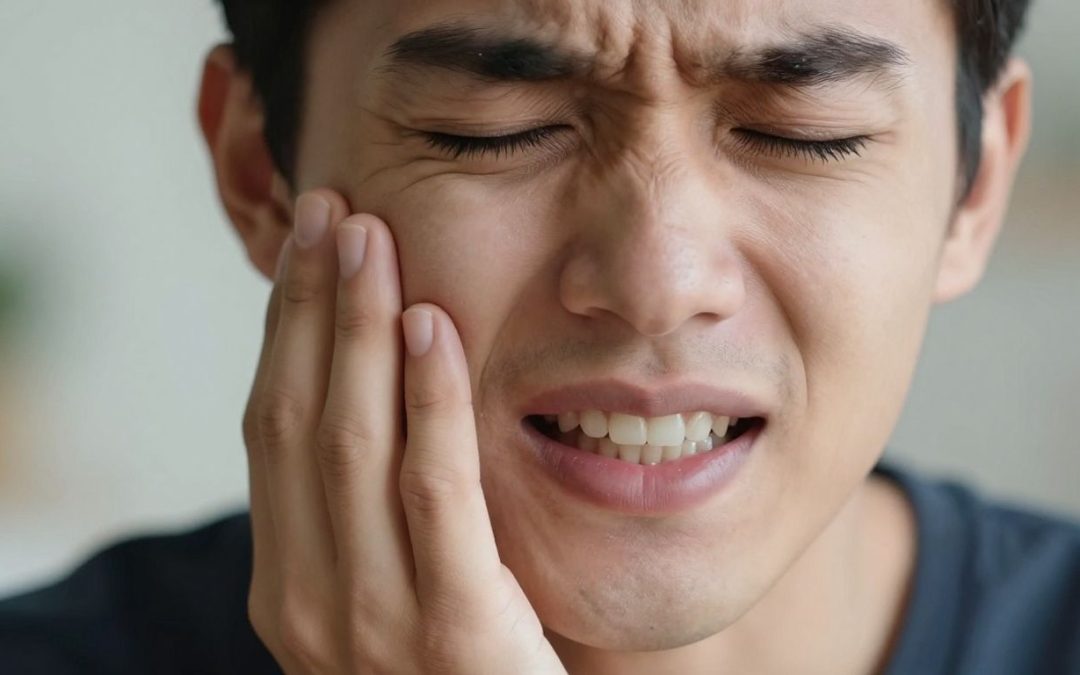
So, you bite into something, and BAM! Tooth pain. It’s a common problem, and honestly, it can really throw off your day. Whether it’s a dull ache or a sharp jab, that pain when biting down is your mouth’s way of telling you something’s up. It’s not something you should just ignore. Let’s figure out what might be causing it and when it’s time to call the dentist.
Understanding Tooth Pain When Biting Down
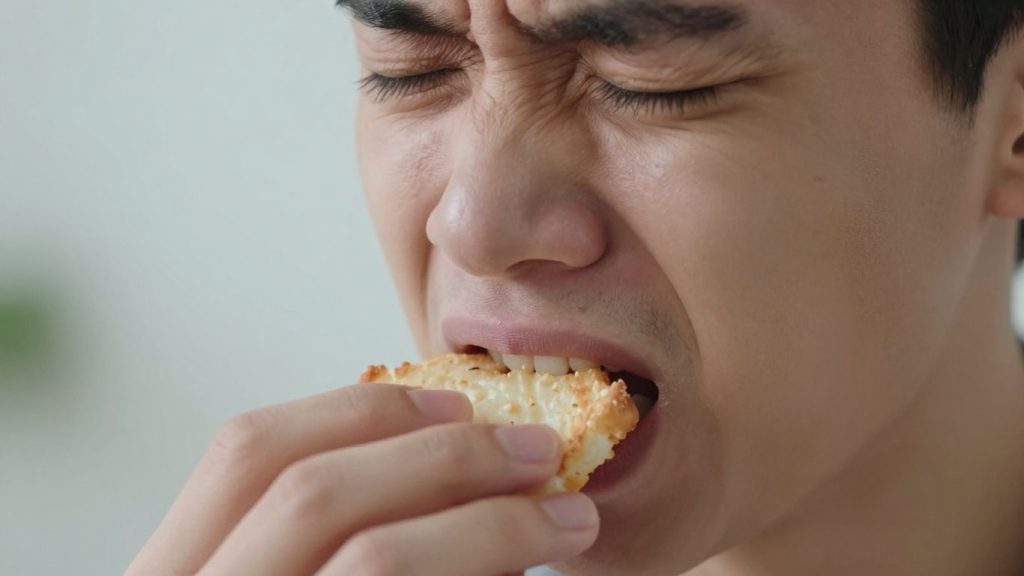
So, you’ve got this nagging pain in your tooth when chewing, right? It’s like a little alarm bell going off every time you try to enjoy a meal. This kind of pain, especially that sharp tooth pain biting down, isn’t just a random annoyance. It’s usually your body’s way of telling you something needs attention.
The real question is, why does my tooth hurt when I bite? It often comes down to pressure. When you bite down, you’re putting force on your teeth and the structures holding them in place. If there’s an issue – like a crack, decay, or inflammation – that pressure can trigger discomfort. It’s not always a constant ache; sometimes, the pain in the tooth when biting down only shows up when you apply that specific force.
Here are a few common scenarios that can lead to this:
- A tooth that feels “high” after dental work: Sometimes, a new filling or crown might be slightly off, causing uneven pressure when you bite.
- Hidden decay: Cavities can sometimes hide under fillings or in spots that are hard to see, and biting can press on the sensitive inner parts.
- Cracks or chips: Even tiny fractures you can’t see can cause pain when the tooth flexes under pressure.
- Gum issues: Problems with your gums can affect the support around your tooth, making it hurt when you chew.
This kind of pain, the tooth pain when biting, is a clear indicator that something beneath the surface needs a closer look. It’s not just about the discomfort; it’s about protecting your oral health.
Common Causes of Tooth Pain When Biting Down
So, you’re biting into something, maybe a crunchy apple or even just a piece of toast, and BAM! Tooth pain. It’s a real bummer, and it usually means something’s up. Let’s break down some of the usual suspects:
1. Cavities (Tooth Decay)
This is a classic. When sugar bugs munch away at your tooth enamel, they can get deep enough to bother the nerve inside. Even a small cavity can cause a twinge when you bite down. Sometimes, you might not even see the cavity, but you’ll feel it when pressure is applied. Food can also get stuck in larger cavities, causing more ouch.
2. Cracked or Chipped Tooth
These can be sneaky. You might not remember actually cracking or chipping your tooth, but a tiny fracture can cause a lot of grief. When you bite, the pieces of the tooth can move slightly, irritating the sensitive inner parts. It’s like a tiny, painful puzzle piece that doesn’t fit right anymore.
3. Abscessed Tooth
This is basically a pocket of infection, usually at the root of your tooth. It’s no joke. The pressure from the infection can make the tooth feel really sore when you bite. You might also notice some swelling on your gums near the tooth, and sometimes a weird, salty taste. This one definitely needs a dentist’s attention, pronto.
4. Gum Disease (Periodontitis)
If your gums are inflamed or infected, it can make biting painful. When gum disease gets more serious, it starts messing with the stuff that holds your teeth in place. This can lead to soreness when you chew, and your teeth might even feel a bit wiggly.
5. Bruxism (Teeth Grinding or Clenching)
Lots of people grind or clench their teeth, often without even realizing it, especially when they’re sleeping. Over time, this constant pressure can cause tiny cracks in your teeth or wear down the enamel. Then, when you bite down, it can feel like a sharp jab.
6. Sinus Pressure or Infection
This one’s a bit of a curveball, but if your upper back teeth hurt when you bite, it could be your sinuses. When your sinuses are full of pressure or infected, they can push down on the roots of your upper teeth, making them feel like they’re the source of the pain. Weird, right?
7. Tooth Pain After Dental Work
Sometimes, after getting a filling, crown, or root canal, your tooth might feel a little sensitive when you bite down. This is often because the bite isn’t perfectly adjusted yet, or the tooth is just recovering. It usually gets better on its own, but if it sticks around, it’s worth a check-up.
Biting down shouldn’t hurt. If it does, it’s your body’s way of telling you to pay attention to your oral health. Ignoring this kind of pain can often lead to bigger, more complicated problems down the road.
When to See a Dentist for Tooth Pain
Okay, so your tooth is acting up when you bite down. It’s easy to think, ‘Maybe it’ll just go away.’ But honestly, tooth pain is usually your body’s way of shouting that something’s not right. Ignoring it is like ignoring a check engine light on your car – it rarely ends well.
So, when should you actually pick up the phone and call your dentist? If the pain is sharp, sudden, or lasts for more than a day or two, it’s time to get it checked out. Don’t wait for it to get worse, because that usually means a bigger, more expensive problem down the road.
Here are some other red flags that mean you should book an appointment:
- You notice swelling anywhere in your mouth or face.
- Your bite feels off, like one tooth is hitting before the others.
- You can’t chew on one side of your mouth because of the pain.
- You have a fever along with your tooth pain (this could signal a serious infection).
- You see a bump on your gums near the painful tooth.
Sometimes, pain after a dental procedure like a filling or crown is normal for a little while. But if it’s really bothering you when you bite, it’s worth a call. Procedures like a root canal are designed to save your tooth, but sometimes adjustments are needed
Why You Should Never Ignore Tooth Pain When Biting
So, you’ve got this nagging pain when you bite down. It might seem like a small thing, maybe just a bit of sensitivity, but honestly, it’s your body’s way of sending up a flare. Ignoring it is kind of like ignoring a check engine light on your car – it’s not going to fix itself, and it’s probably just going to get worse.
Think about it: your teeth are designed to handle a lot, but they’re not invincible. That pain when you bite is a signal that something’s off, whether it’s a tiny crack you can’t even see, some decay hiding under an old filling, or even your gums staging a protest. Pushing through the pain might feel like you’re being tough, but you’re actually risking more serious damage down the road.
Here’s the deal with what can happen if you just let it slide:
- Things Get Worse: That little cavity can turn into a big one, or a small crack can split further, potentially leading to needing a root canal or even losing the tooth. Not ideal.
- Infections Spread: If there’s an infection brewing, like an abscess, it won’t just stay put. It can spread to other parts of your mouth and even affect your overall health. That’s definitely not something you want.
- More Expensive Fixes: The sooner you catch a problem, the simpler and cheaper it usually is to fix. Waiting until the pain is unbearable often means more complex and costly treatments.
- Daily Life Suffers: It’s hard to enjoy your favorite foods or even just have a normal conversation when every bite sends a jolt of pain through your mouth. It really impacts your quality of life.
Preventing Future Tooth Pain
So, you’ve had a bit of tooth pain when biting down, and now you’re looking to avoid that whole mess in the future. Smart move! The good news is that a lot of tooth pain is preventable with some consistent habits. It’s not rocket science, just good old-fashioned oral care.
First off, brushing and flossing are your best friends. Aim to brush at least twice a day for two minutes each time, getting into all those nooks and crannies. Flossing daily is just as important – it gets the stuff your toothbrush can’t reach, which is often where problems start. Think of it as giving your teeth a spa day, every day.
What you eat really matters too. Cutting back on sugary drinks and snacks is a big one. Those sugars feed the bacteria that cause cavities. If you do indulge, try to rinse your mouth with water afterward. Also, be mindful of really hard or sticky foods that can chip or crack your teeth, especially if you already have any sensitivity or exposed dentin.
Here’s a quick rundown of what to focus on:
- Regular Dental Check-ups: Don’t skip these! Your dentist can spot issues like early decay or gum problems long before you feel any pain. They can also give your teeth a professional cleaning that’s way more thorough than what you can do at home.
- Healthy Diet: Load up on fruits, veggies, and lean proteins. Limit those sugary treats and acidic drinks.
- Avoid Bad Habits: Try not to chew on ice, pens, or anything else you shouldn’t be chewing on. If you grind your teeth at night, talk to your dentist about a nightguard.
- Proper Brushing & Flossing Technique: Ask your dentist or hygienist if you’re doing it right. Sometimes a small adjustment makes a big difference.
And hey, if you notice any little twinges or changes, don’t wait for them to turn into a full-blown toothache. Getting things checked out early is always the easiest and least painful route. Your future self will thank you!
Frequently Asked Questions
Why does my tooth only hurt when I bite down?
Pain when biting often means there’s a problem like a cavity, a crack, or an issue with your gums. It’s your tooth’s way of telling you it needs a dentist to take a look soon.
Can a cracked tooth fix itself?
Unfortunately, no. A cracked tooth can’t heal on its own. A dentist will need to repair it, possibly with a filling, a crown, or other dental care to fix the crack.
Why do my upper teeth ache when I have a cold?
When you have a sinus infection, the pressure in your sinuses can push down on the roots of your upper teeth. This pressure can feel like a toothache, even though the problem is with your sinuses.
How can I know if I need a root canal?
If you have a deep, throbbing pain, swelling, or pain when you tap on your tooth, it might be infected. A dentist can check your tooth and tell you for sure if a root canal is needed.
Should I avoid chewing on the side with the painful tooth?
Yes, definitely. Try not to chew on the side that hurts until you can see an Ottawa dentist. Chewing on it might make the problem worse and cause more pain.
Are home remedies enough to stop pain when biting?
Home remedies can help ease the pain for a little while, but they won’t fix the main reason for the pain. You really need a dentist to examine your tooth and treat the actual problem.