
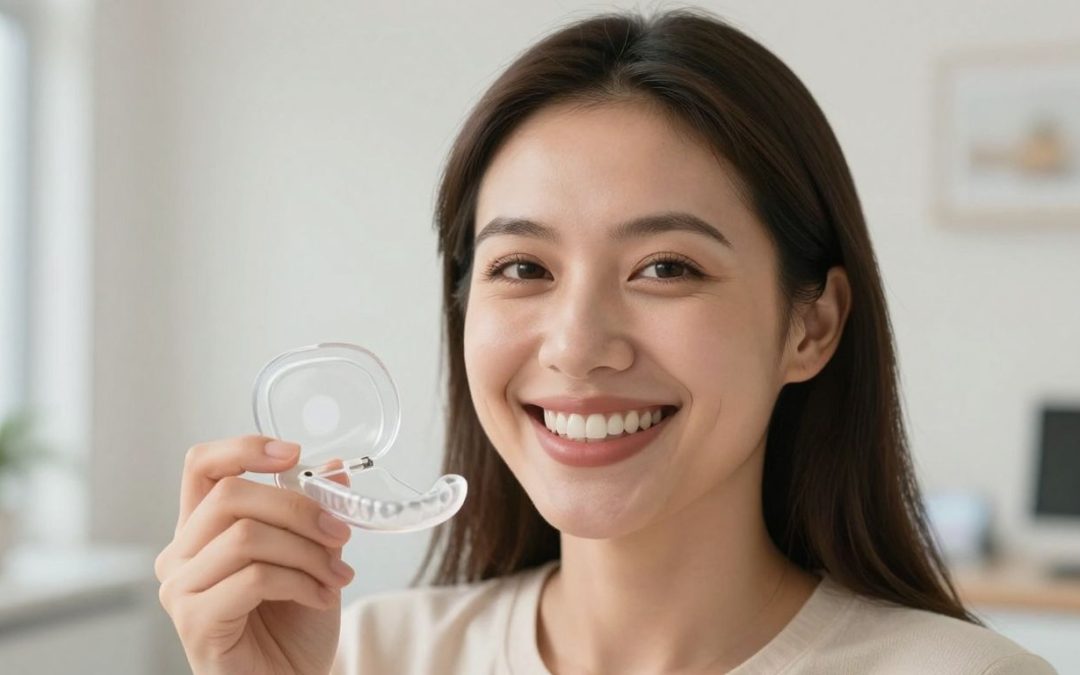
You just got your braces off, and your teeth finally look the way you wanted — so why does your dentist hand you a retainer on the same visit? The honest answer is that alignment isn’t finished the moment braces come off; it’s still settling. So how long do you wear your retainers after braces, exactly? For most people, it starts as an all-day routine and eases into something much simpler over time. This guide breaks down what to expect at each stage, what happens if you skip wear, and how to keep your results for the long run.At Constitution Dental in Downtown Ottawa, our dental team can help you understand your retainer schedule and keep your smile on track after treatment.
Why Are Retainers So Important After Braces?
Braces move teeth into a new alignment, but the surrounding bone, gums, and supporting tissues need time to adapt. Once the braces come off, those tissues do not instantly hold every tooth firmly in its new position. A retainer provides support while your smile settles.
Teeth can also shift naturally over the years. This movement may be subtle at first, then become more noticeable if a retainer is ignored for long enough. Retainers are not a sign that treatment failed; they are the maintenance phase that helps preserve the result.
The simplest answer to “how long do you wear your retainers after braces” is that retention is usually a long-term commitment, though it does not normally mean wearing a retainer all day forever. Your treatment history, bite, age, and retainer type all matter. If you are also comparing orthodontic options, this overview of clear braces explains how removable aligners and retainers fit into treatment planning.
Retainer Wear Schedule After Braces
A common schedule has three stages, but your own orthodontic provider may adjust the timing. The first months are generally the most sensitive because the teeth are newly positioned. Follow the instructions you were given rather than treating a general timeline as a prescription.
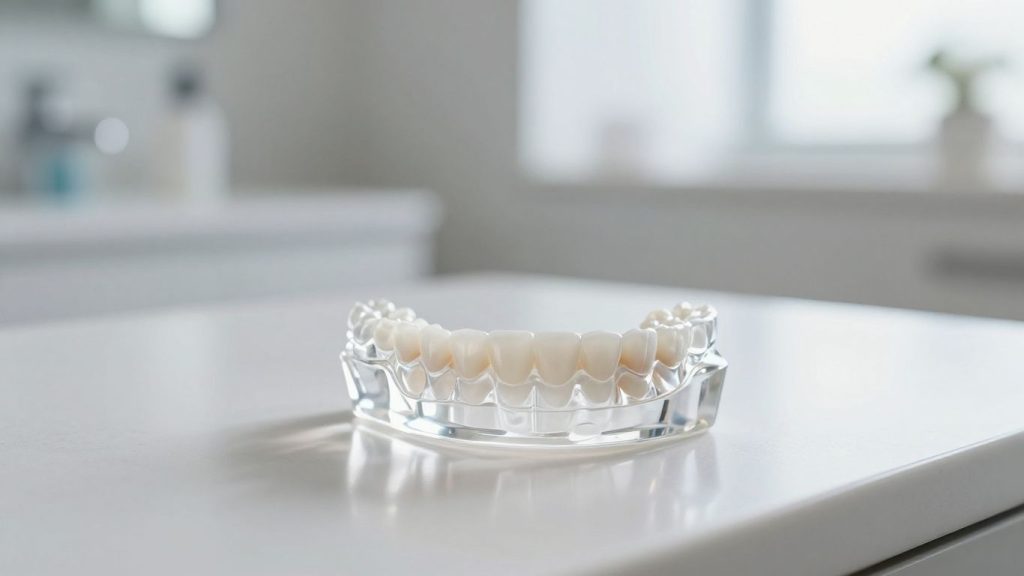
Phase 1: Full-Time Wear (First Few Months)
During the first few months, many patients are instructed to wear a removable retainer for most of the day and night. It is typically removed for meals, drinking anything besides water, brushing, and cleaning the appliance. The exact number of hours can differ, so ask what full-time wear means for your treatment.
This phase can feel inconvenient, especially during social events or travel. Still, consistency matters more than perfectionism: put the retainer back in as soon as the approved break is over, and contact the office if it feels unusually tight or painful.
Phase 2: Nighttime Wear (Several Months to Years)
After the initial full-time period, many people transition to wearing their removable retainer while sleeping. Nighttime wear is easier to maintain because it attaches to an existing routine, such as brushing your teeth before bed. A retainer may feel snug occasionally, but it should not cause persistent pain or fail to seat properly.
A good nighttime routine is also easier when the retainer has a consistent home. Keep its case near your toothbrush, and take it with you when you travel. If you are researching retainer wear guidance, remember that online timelines are general and cannot replace advice based on your teeth.
Phase 3: Long-Term Retainer Wear
Long-term retention often means continuing to wear a removable retainer at night, sometimes indefinitely. This does not necessarily mean the same schedule forever; an orthodontist may recommend a different frequency after reviewing your stability. The key is not to assume that several successful years mean shifting is no longer possible.
A useful way to think about the phases is as a gradual change in intensity, not a finish line. The table below gives a broad framework, while your personalized instructions remain the deciding factor.
Do You Have to Wear Retainers Forever?
“Forever” can sound dramatic, but it usually means wearing a retainer periodically for as long as you want to maintain the alignment. It does not generally mean wearing one continuously for the rest of your life. For many patients, the long-term routine is simply nighttime wear.
There is no universal date when everyone can stop. Teeth continue to respond to pressure from the bite, lips, cheeks, tongue, and normal aging. Even people who had stable results for years may notice crowding or spacing after stopping their retainer entirely.
When can I stop wearing my retainer? Ask the clinician who knows your treatment, because the answer depends on your specific correction and how your teeth respond. A provider may reduce the schedule, change the appliance, or recommend continued overnight use rather than stopping outright.
What Happens If You Stop Wearing Your Retainer?
If you stop wearing a removable retainer, your teeth may gradually move toward their earlier positions. The amount and speed of movement vary. Some people notice tightness within days, while others see changes more slowly.
A retainer that no longer fits comfortably should not be forced over the teeth. It may indicate that movement has occurred, or that the appliance has warped or damaged. Reaching out promptly gives your dentist more options than waiting until the change is obvious.
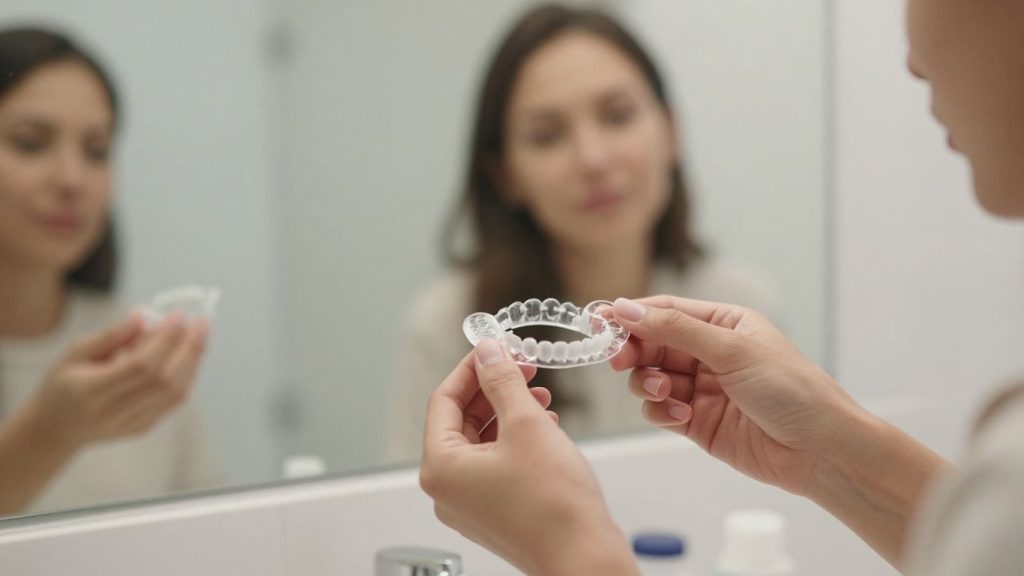
Small lapses are different from abandoning retention for months, but repeated lapses can make the appliance harder to wear. If you miss a night, return to the prescribed routine unless your provider has told you otherwise. For additional perspective, this oral hygiene guide covers habits that support your appliance and your overall fit over time.
How Often Should You Wear Your Retainer?
How often to wear retainers depends first on the instructions provided after treatment. A removable appliance is commonly worn full-time at the start and then overnight, while a fixed appliance remains attached and still needs professional monitoring. Do not change the schedule simply because the retainer feels comfortable.
The most useful routine is one you can repeat reliably. Store a removable retainer in its case when it is not in your mouth, and mention changes in fit at regular dental visits. A routine dental check-up can also provide an opportunity to discuss oral health around a fixed retainer.
Type of Retainer Used (Fixed vs. Removable)
Fixed retainers are bonded behind the teeth and work continuously, but they can collect plaque and require careful brushing and flossing. Removable retainers must be placed consistently, yet they can be taken out for eating and cleaning. Neither type eliminates the need for follow-up care.
Your provider may recommend one type based on the original movement, your bite, and how consistently you can manage an appliance.
Factors That Affect How Long You Need Retainers
The length of retention is shaped by more than the date your braces were removed. Teeth that were significantly rotated, spaced, or crowded may have a greater tendency to move. The way your upper and lower teeth meet can matter as well.
Age and normal changes in the jaw can influence stability, and habits such as clenching or tongue pressure may affect the bite. Gum and bone health also deserve attention because healthy supporting tissues are part of maintaining a comfortable, stable smile.
Your consistency is another practical factor. A person who wears a removable retainer as directed may have a different experience from someone who frequently leaves it out, but your post-treatment retention plan should still be individualized.
How to Care for Your Retainer
A retainer lasts longer when it is cleaned gently and handled carefully. Rinse it with cool or lukewarm water when you remove it, and clean it according to your provider’s instructions. Very hot water can distort some removable appliances.
Avoid wrapping a retainer in a napkin, where it can easily be thrown away, and keep it in a ventilated case when it is not being worn. Bring it to appointments so the fit and condition can be checked. A clean, well-fitting retainer is more comfortable to use consistently.
A few habits make daily care much simpler:
- Brush and floss your teeth before putting in a removable retainer.
- Use a soft brush and an appliance-cleaning method recommended by your provider.
- Keep pets away from the case and appliance.
- Contact the office if the retainer cracks, warps, or suddenly feels different.
These steps protect both the appliance and the teeth beneath it. Do not use abrasive household cleaners unless your dental professional specifically approves them. If you are unsure whether a retainer is still safe to wear, stop guessing and schedule an appointment.
Book Your Dental Visit
If you have questions about fit, wear frequency, or a retainer that no longer feels right, book a visit with Constitution Dental in Downtown Ottawa or call (613) 232-0775 for personalized dental guidance.
Conclusion
Retainers are the quiet, ongoing part of orthodontic care: usually full-time at first, often at night later, and commonly continued long-term. The right answer to how long do you wear your retainers after braces depends on your teeth and treatment, so use your clinician’s schedule and report fit changes early.
Frequently Asked Questions
How long do you wear your retainers after braces?
Many people wear a retainer full-time for the first few months, then switch to nighttime wear for the long term. Your provider may recommend a different schedule.
When can I stop wearing my retainer?
Do not stop without professional guidance. Teeth can shift after treatment, even years later, so many people continue wearing a retainer periodically.
Do retainers need to be worn every night?
Nightly wear is common after the initial full-time phase, but the recommended frequency depends on your treatment and the type of retainer.
What if my retainer feels tight?
Mild snugness can occur after missed wear, but pain or a retainer that will not seat properly should be assessed by a dental professional.
Can teeth shift after braces are removed?
Yes. Teeth may gradually move because the supporting tissues and bite continue to change. Retainers help limit that movement.
Are fixed retainers permanent?
Fixed retainers are bonded in place, but they are not necessarily permanent. They need cleaning, monitoring, and eventual replacement or removal when appropriate.
How should I clean a removable retainer?
Rinse it with cool or lukewarm water and follow the cleaning method recommended by your provider. Store it in a protective case when not in use.