
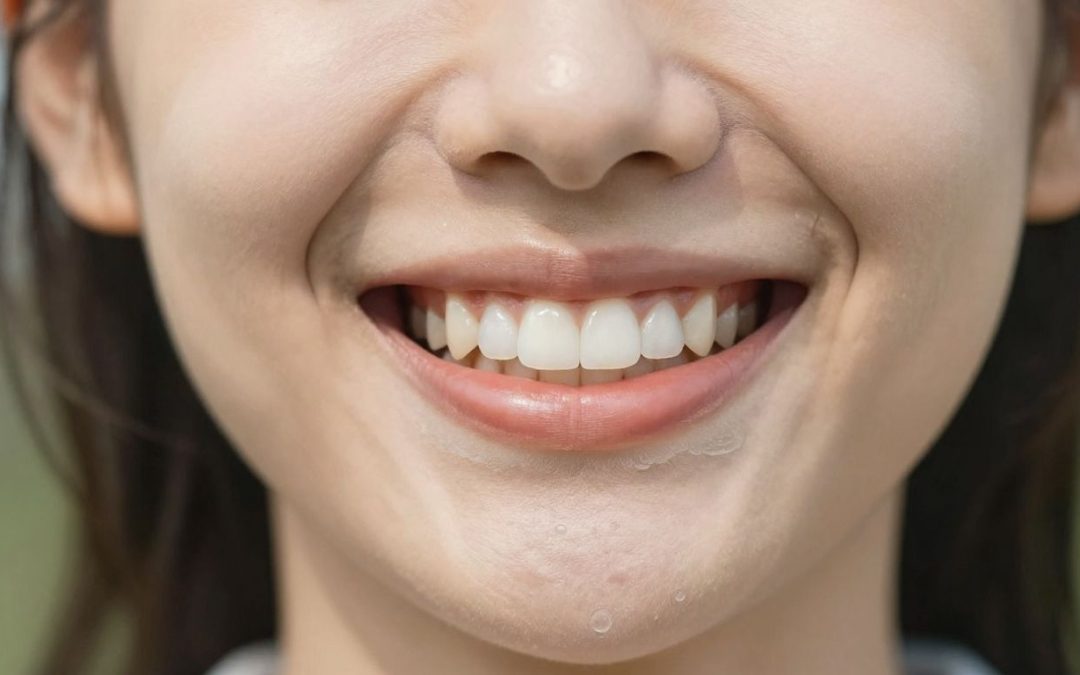
So, you’re thinking about Invisalign, huh? It’s a pretty popular way to straighten teeth these days, and for good reason. They’re clear, you can take them out, and they often work faster than old-school braces. But a big question pops up for a lot of people: when’s the actual best age for Invisalign? It’s not just about wanting a straighter smile; it’s about timing things right with your teeth and jaw development, or even just fitting it into your adult life. We’ll break down when it makes the most sense to start this journey, no matter your age.
What Is Invisalign and How Does It Work?
So, what exactly is Invisalign, and how does it actually straighten your teeth? Think of it as a modern approach to orthodontics, using a series of clear, custom-made aligners instead of traditional metal braces. These aligners are designed to fit snugly over your teeth and gradually move them into the desired position over time. It’s a pretty neat system that’s become super popular for a good reason.
Invisalign for Children: Early Intervention
For younger kids, sometimes starting early with orthodontics can make a big difference down the road. This is often called Phase 1 treatment. The main idea here isn’t just about making teeth look straight right away. It’s more about guiding how the jaw grows and making sure there’s enough space for all those permanent teeth that are still on their way. This can help prevent bigger issues from popping up later.
- Guides jaw and arch development.
- Creates space for erupting permanent teeth.
- Can help correct habits like thumb sucking that affect alignment.
- May shorten the overall treatment time later on.
Teens are a big group for Invisalign, and it makes sense. They’re often more aware of their appearance, and the discreet nature of clear aligners is a huge plus. The biggest factor for teens, though? Discipline. These aligners need to be worn for about 20-22 hours a day to really work effectively. If a teen can commit to wearing them consistently, Invisalign can be a fantastic way to get that straighter smile without the hassle of metal braces. Most teens need to have most of their permanent teeth in before starting treatment.
Invisalign for Adults: Addressing Smile Concerns
It’s definitely not just for kids and teens! Adults are increasingly turning to Invisalign to fix smile issues they might have lived with for years. Whether it’s crowded teeth, gaps, or bite problems, Invisalign can tackle a lot of these concerns. While treatment might take a bit longer for adults compared to younger patients, the results are often life-changing. A key consideration for adults, especially older ones, is bone density, which an orthodontist will assess to make sure the treatment is suitable and will achieve the desired outcome. It’s never too late to get the smile you want.
Invisalign for Seniors: Maintaining Oral Health
Even in your golden years, Invisalign can be a great option. For seniors, the focus might be on maintaining oral health, correcting minor alignment issues that could be causing discomfort, or simply improving the aesthetics of their smile. As mentioned with adults, an orthodontist will look at factors like bone density and overall oral health to create a safe and effective treatment plan. It’s a way to boost confidence and comfort at any age. Clear aligners offer a comfortable alternative for many seniors.
Factors Influencing the Right Time for Invisalign
Deciding on the perfect moment to start Invisalign treatment isn’t a one-size-fits-all situation. Several key elements come into play, and understanding them can help you or your child get the best results. It’s not just about age; it’s about readiness and the specific dental situation.
Severity of Dental Misalignment
The complexity of your smile’s issues plays a big role. Minor crowding or spacing might be addressed at different times than more significant bite problems. For instance, some bite issues that affect how a child eats or speaks might need earlier attention. This is where an orthodontist’s evaluation becomes really important to figure out what’s best.
Patient Compliance and Responsibility
This is a huge one, especially when we talk about what age is best for Invisalign. Invisalign works by having you wear clear aligners for most of the day, usually 20-22 hours. If the patient, whether a child or an adult, isn’t committed to wearing them consistently, the treatment just won’t move forward as planned. For younger kids, parents play a big part in making sure the aligners are worn and cared for properly. A lack of discipline here can really impact the success of adult Invisalign treatment start.
Consulting with a Dentist: The Key Step
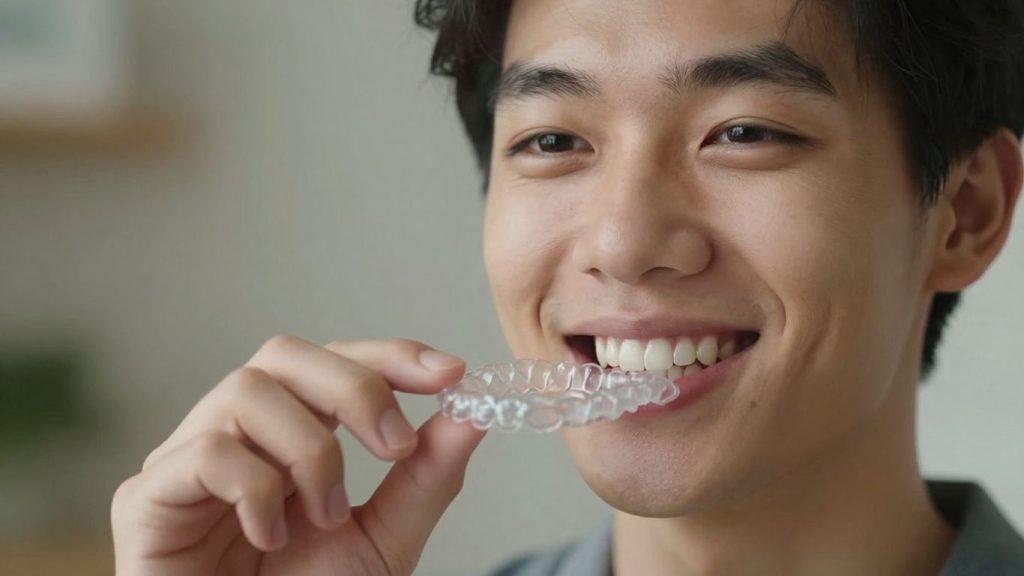
Okay, so you’ve been thinking about Invisalign, maybe for yourself, maybe for your kid. It’s easy to get lost in all the information out there, right? That’s why the absolute best thing you can do is book an appointment with a dentist or an orthodontist. Seriously, this is where the rubber meets the road.
Think of it like this: every mouth is different. What works for your neighbor’s kid might not be the perfect fit for yours. A dental professional will actually look at your teeth, check out your bite, and see what’s really going on. They can tell you if Invisalign is even a good option for you, or if maybe something else would work better. They’ll also give you a realistic idea of what kind of results you can expect and how long it might take. This initial chat is super important for setting expectations.
Here’s what usually happens during that first visit:
- Examination: They’ll do a thorough check of your teeth, gums, and jaw.
- X-rays and Scans: Often, they’ll take digital scans or X-rays to get a detailed 3D view of your mouth. This helps them map out a precise treatment plan.
- Discussion: This is your chance to ask all those burning questions you have. Don’t hold back!
- Treatment Proposal: Based on everything they see, they’ll propose a treatment plan, which might include Invisalign or other options.
This consultation is also where you’ll find out about the practical stuff, like how much it might cost and what your insurance might cover. It’s all part of making an informed decision. Don’t skip this step it’s the foundation for a successful Invisalign treatment process.
Conclusion: Finding Your Ideal Invisalign Timeline
So, when is the absolute best time to start your Invisalign journey? Honestly, there’s no single magic number that fits everyone. It really boils down to your specific dental situation and, for younger folks, their stage of development. For teens, the invisalign for teens timeline is often a sweet spot because their teeth are still a bit more adaptable. But don’t count out adults or even seniors Invisalign works for a wide range of ages.
Ultimately, the duration of your treatment is a big variable. Some people see results in just a few months, while others might need anywhere from 6 to 18 months, or even a bit longer for complex cases. Adults, in particular, might find their treatment falls within the 12 to 24-month range. It all depends on how much your teeth need to move and how consistently you wear your aligners. Remember, those aligners need to be in for about 20-22 hours a day for them to work their magic.
Frequently Asked Questions
What is Invisalign and how does it work?
Invisalign uses a series of clear, custom-made aligners that gently move your teeth into place over time. You wear them for about 20-22 hours a day, changing to a new set every 1-2 weeks. They’re almost invisible, so most people won’t even know you’re wearing them!
What’s the best age to start Invisalign?
There’s no single ‘best’ age, but many kids can start between 7 and 14. This is when they have a mix of baby and permanent teeth, and doctors can guide how their smile grows. However, teens and adults of any age can also use Invisalign if their teeth and gums are healthy and they can commit to wearing the aligners.
Can young children use Invisalign?
Yes, some younger children can start treatment, often called ‘Phase 1.’ The goal is to help their jaws grow and make space for permanent teeth. It can help fix bite problems early and might even prevent bigger issues later. It’s important for them to be responsible enough to wear the aligners as directed.
What if my teenager needs Invisalign?
Invisalign is a great option for teens! They usually need most of their permanent teeth to be in. The aligners are clear, which is less noticeable than braces during school and social events. There are even special features for teens, like indicators to help them remember to wear them.
Can adults get Invisalign?
Absolutely! Adults of all ages can get Invisalign. It’s a popular choice for people who want to fix crooked teeth, gaps, or bite issues without the appearance of metal braces. As long as your teeth and gums are healthy and you can wear the aligners consistently, it’s a great option.
What makes Invisalign different from braces?
Invisalign aligners are clear and removable, making them less visible and easier to clean your teeth with. You can take them out to eat, which means no food restrictions like with metal braces. They are also generally more comfortable, with no wires or brackets to irritate your mouth.