
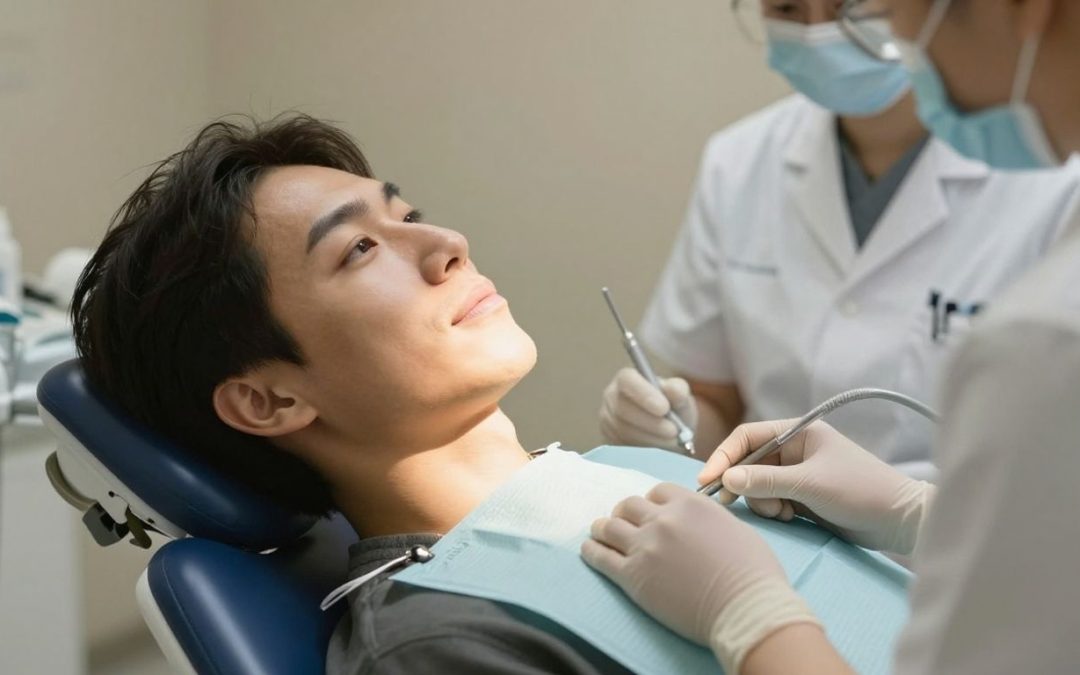
Lots of people get a bit nervous about going to the dentist. It’s a pretty common thing, actually. This feeling, often called dental anxiety, can range from mild worry to a full-blown fear that makes you avoid the chair altogether. But why does this happen, and what can you do about it? Let’s break down dental anxiety, explore its roots, and look at ways to make those dental visits a lot less scary.
What is Dental Anxiety?

Dental anxiety is that knot in your stomach you get when you think about going to the dentist. It’s more than just a little nervousness; it’s a genuine feeling of unease, stress, or even fear related to dental appointments. Many people experience some level of dental fear symptoms, and it’s completely understandable.
It’s important to know that dental anxiety is different from dental phobia, though they can sometimes overlap. Think of anxiety as a spectrum. On one end, you have mild worry, and on the other, you have a full-blown phobia. Dental anxiety is generally considered the milder end of this spectrum. People with dental anxiety might feel stressed before or during an appointment, but they usually still manage to go. Dental phobia, on the other hand, is a more intense, often irrational fear that can lead to completely avoiding the dentist, even if there’s pain involved.
Defining Dental Anxiety vs. Dental Phobia
So, what’s the real difference? Well, dental anxiety is that feeling of dread you might get when you know a dental visit is coming up. You might worry about the sounds, the smells, or the potential discomfort. It’s a common reaction, and many dentists are used to helping patients manage it. You might notice some common dental fear symptoms like:
- Sweating
- A racing heart or palpitations
- Feeling restless or on edge
- Difficulty sleeping the night before
Dental phobia, or dentophobia, is a more severe condition. It’s an extreme fear that’s out of proportion to the actual risk. Someone with a phobia might avoid the dentist for years, even if they’re in significant pain. This avoidance can lead to serious oral health problems down the line. It’s a specific type of anxiety disorder where the thought of the dentist triggers an overwhelming sense of panic.
Common Causes of Dental Anxiety
It’s pretty common to feel a bit uneasy about going to the dentist. For many, this unease stems from a few key places. Understanding these roots can really help in figuring out how to manage that worry.
Past Traumatic Dental Experiences
Sometimes, a bad experience at the dentist can stick with you for a long time. Maybe a procedure was unexpectedly painful, or perhaps you felt unheard or rushed. These kinds of memories can make you dread future appointments, even if the new dentist is completely different. It’s like touching a hot stove – you’re wary of getting burned again. This isn’t just about the physical discomfort; it can also be about feeling vulnerable or out of control during the visit. If you’ve had a difficult time in the past, it’s completely understandable why you might feel anxious about going back. Learning to trust a dental professional again takes time and open communication.
Fear of Pain
Let’s be honest, the thought of dental work can bring up images of drills and discomfort. For some, this fear is quite intense. It might be a general worry about feeling pain during a procedure, or a specific fear related to injections, the sounds of the equipment, or even the smell of the dental office. People who are generally more sensitive to pain might find this fear particularly strong. It’s not just about the moment of discomfort; it’s also the anticipation of it. This fear can be so powerful that it leads people to avoid the dentist altogether, which, ironically, can lead to more serious problems down the line that might require more extensive and potentially painful treatments. It’s a tough cycle to break.
Here are some specific worries that can contribute to this fear:
- Needles: The thought of getting a shot, even for numbing, can be a major trigger for many.
- Drills and Noises: The high-pitched whine of dental tools is a sound that many associate with discomfort.
- Feeling of Vulnerability: Lying back in the chair, mouth open, can make anyone feel exposed and less in control.
- Choking or Gagging: Some worry about the instruments or materials in their mouth, fearing they might choke or gag.
This fear of pain is a significant reason why people put off dental visits, sometimes until a problem becomes quite serious. For instance, untreated tooth decay can progress from a small issue to one causing significant pain and requiring more involved treatment if left unchecked [c731].
Why People Develop Dental Phobia
Dental phobia is more than just feeling a bit uneasy about a dental visit; it’s a deep-seated, often irrational fear that can significantly impact a person’s life. While dental anxiety is a common feeling, dental phobia represents a more intense level of distress. It’s not uncommon for this fear to stem from a variety of sources, sometimes even ones we don’t immediately connect to the dentist’s chair.
Several factors can contribute to the development of dental phobia. For some, it’s a direct result of a negative past experience, like a painful procedure or feeling unheard by a previous dental professional. Others might develop it due to a general predisposition to anxiety disorders, or specific fears that get
amplified in a dental setting. Think about common triggers:
- Fear of pain: This is a big one. Even the thought of discomfort can be overwhelming.
- Loss of control: Being in a reclined position with instruments in your mouth can feel like a complete surrender of control.
- Sensory overload: The sounds of drills, the smell of the dental office, or even the sight of needles can be intensely triggering for some individuals.
- Embarrassment: Concerns about the state of one’s teeth or breath can lead to feelings of shame.
It’s also worth noting that certain phobias can overlap. For instance, a fear of needles (trypanophobia) or a fear of blood (hemophobia) can certainly make a dental visit feel much more daunting. The anticipation of these specific triggers can build up to a point where the thought of going to the dentist becomes unbearable, leading to avoidance.
Understanding these roots is the first step in addressing the issue. Many people with dental phobia avoid care for years, which can lead to more serious oral health problems down the line. Recognizing that these fears are valid and have identifiable causes is key to finding effective ways to manage and overcome them, allowing for necessary dental care without overwhelming dread.
How Dental Anxiety Can Affect Your Oral Health
When you’re anxious about the dentist, it’s easy to put off appointments. You might tell yourself you’ll go next month, or maybe after that big project at work is done. But this avoidance really starts to add up, and not in a good way for your teeth and gums. Skipping regular check-ups means small problems can turn into big ones before anyone even notices.
Think about it: a tiny cavity that could be filled in a quick visit might grow larger, potentially needing a root canal or even extraction if left untreated. This isn’t just about discomfort; it’s about the long-term health of your mouth. The longer you avoid the dentist, the more likely you are to need more complex and expensive treatments down the line.
Here’s a breakdown of what can happen:
- Worsening Dental Problems: Minor issues like plaque buildup can lead to gum disease (gingivitis and periodontitis), which can cause tooth loss if not managed.
- Increased Risk of Decay: Without professional cleanings and early detection, cavities can progress, leading to pain and infection.
- Missed Early Detection: Dentists also check for signs of oral cancer during routine visits. Avoiding the dentist means missing this potentially life-saving screening.
- The Vicious Cycle: Each missed appointment can reinforce the anxiety, making the next visit seem even more daunting. This creates a loop where fear prevents care, and lack of care leads to more reasons to be fearful.
It’s a tough cycle to break, but acknowledging how dental anxiety impacts your health is the first step. Addressing these fears, even with small steps like talking to your dentist about your concerns, can make a huge difference in keeping your smile healthy. You can find resources to help manage this fear, which is a really important part of maintaining good oral hygiene.
Sometimes, the fear is so strong that it feels impossible to even make that first call. If you’re feeling overwhelmed, remember that dentists are used to dealing with anxious patients and have strategies to help. Don’t let fear dictate the health of your mouth; there are ways to get the care you need.
Tips to Overcome Fear of the Dentist
It’s completely understandable to feel nervous about dental appointments, especially if you’re afraid of the dentist. Many people share this fear of going to the dentist, and it can make regular check-ups feel like a huge hurdle. But there are definitely ways to make these visits more manageable.
Communication is Key: Talking to Your Dentist
The most important step you can take is to talk to your dental team. Don’t wait until you’re in the chair. Let the receptionist know when you book your appointment that you’re feeling anxious. This gives them a heads-up and allows them to prepare. When you meet your dentist, reiterate how you’re feeling. They can’t help you manage your fear if they don’t know about it. Being open about your concerns helps them understand and address them effectively. You can even discuss specific triggers, like the sound of the drill or the thought of needles. A good dentist will work with you to find solutions.
Here are some things you can discuss:
- Pain Management: Ask about options for numbing or sedation if you’re worried about pain.
- Procedure Explanation: Request a clear, step-by-step explanation of what will happen before and during the treatment.
- Control Signals: Agree on a signal (like raising your hand) to let the dentist know if you need a break or are feeling uncomfortable.
- Distraction Methods: Talk about bringing headphones to listen to music or a podcast.
Coping Mechanisms and Relaxation Techniques
Beyond talking to your dentist, there are several techniques you can use before and during your appointment to help calm your nerves. These are tools to help you manage that feeling of being nervous about dental appointments.
- Deep Breathing: Practice slow, deep breaths. Inhale through your nose, hold for a few seconds, and exhale slowly through your mouth. This can help slow your heart rate and reduce feelings of panic.
- Mindfulness and Meditation: Even a few minutes of focused meditation before your appointment can help clear your mind and reduce anxiety.
- Distraction: As mentioned, listening to music or an audiobook through headphones can be a great way to tune out the sounds and sensations of the dental office. Some offices even have TVs on the ceiling.
- Bring a Support Person: If allowed, having a trusted friend or family member with you for support can be very comforting.
Remember, overcoming the fear of going to the dentist is a process. Be patient with yourself, and celebrate each small victory. If your fear is particularly intense, consider seeking professional support from a therapist who specializes in dental anxiety and phobias.
When Dental Phobia Requires Professional Support

Sometimes, the fear of the dentist goes beyond just feeling a bit uneasy. When that fear becomes so intense that it stops you from getting the dental care you need, it’s time to think about getting some professional help. This isn’t about just feeling nervous; it’s about a deep-seated dread that can really impact your health.
If your dental phobia is significantly disrupting your life and preventing necessary treatment, seeking professional support is a vital step.
Several approaches can be really effective for coping with dental phobia:
- Therapy: Talking with a therapist can help you understand the roots of your fear. Techniques like Cognitive Behavioral Therapy (CBT) are often used to change negative thought patterns and behaviors associated with dental visits.
- Medication: In some cases, a doctor or dentist might suggest medication to help manage anxiety during appointments. This could range from mild sedatives to anti-anxiety drugs.
- Specialized Dental Care: Some dentists specialize in treating anxious patients. They often have extra training and a more patient approach, using techniques to make the experience less stressful.
For phobias stemming from past trauma, specific therapies like EMDR (Eye Movement Desensitization and Reprocessing) might be recommended. Hypnosis has also shown some success in helping people manage their fears related to dental procedures.
If you’re finding it hard to manage on your own, reaching out to a mental health professional or a dentist experienced in coping with dental phobia can make a huge difference in getting you back on track with your oral health.
Final Thoughts on Overcoming Dental Anxiety
So, we’ve talked a lot about what dental anxiety is, why it happens, and some ways to deal with it during your appointments. It’s a real thing, and it affects a lot of people, so please know you’re not alone in this.
Remember, the goal isn’t necessarily to never feel a twinge of nervousness again, but to manage it so you can get the dental care you need. Think of it like this:
- Open communication: This is your superpower. Tell your dentist everything. Don’t hold back because you’re embarrassed. They’ve heard it all before and genuinely want to help.
- Find your calm: Whether it’s deep breathing, listening to your favorite podcast, or even just squeezing a stress ball, find what works for you to stay grounded.
- Build trust: Sometimes it takes a few visits with a dentist you feel comfortable with to really start feeling at ease.
It’s totally understandable to feel hesitant, especially if you’ve had a rough experience in the past. But avoiding the dentist just makes things harder down the road. Taking small, consistent steps can make a huge difference in your oral health and overall well-being.
If your anxiety feels overwhelming, don’t hesitate to talk to your dentist about options like sedation. There are many ways to make dental visits more manageable, and getting regular check-ups is key to preventing bigger problems later on. You’ve got this!
Frequently Asked Questions
What’s the difference between dental anxiety and dental phobia?
Dental anxiety is like feeling a bit nervous or worried about going to the dentist. It’s pretty common. Dental phobia, on the other hand, is a much stronger, more intense fear. People with a phobia might avoid the dentist completely, even if they’re in pain, because the fear is so overwhelming.
Why do some people get so scared of the dentist?
There are a few reasons! Sometimes, it’s because of a bad experience at the dentist in the past, maybe it was painful or scary. Other times, it could be a fear of needles, the loud noises from drills, or even just feeling like you’re losing control in the dentist’s chair. Some people also have general anxiety about other things that makes them more worried about dental visits.
How can being afraid of the dentist hurt my teeth?
If you’re too scared to go to the dentist, you might put off check-ups and cleanings. This means small problems can turn into bigger ones, like cavities or gum disease, without you knowing. You might end up needing more serious and costly treatments later on because the issues weren’t caught early.
What can I do if I’m really scared of going to the dentist?
First, tell your dentist how you feel! They want to help. You can try relaxation tricks like deep breathing or listening to music. Some people find it helpful to agree on a signal with the dentist to take a break if they feel overwhelmed. Talking about your fears is a big first step.
Are there ways to make dental visits less scary, like medicine?
Yes, there are! Dentists can offer options to help you relax. This might include ‘laughing gas’ (nitrous oxide) to help you feel calm, or sometimes medication you take before your appointment. For very severe fear, stronger sedation or even general anesthesia (where you’re put to sleep) might be an option, but this is usually for specific situations.
Is it normal to be afraid of needles at the dentist?
Absolutely. Fear of needles, called trypanophobia, is quite common. Many people feel uneasy about injections. Dentists are aware of this and can talk you through it, use numbing gels first, or discuss other ways to manage pain and anxiety during procedures that require them.